Renault Boreal 2026: Full Specs, Features & E-Tech Hybrid
Automotive manufacturers rarely expand global production footprints out of sheer benevolence. Instead, they logistics-manage their way into regions where tax incentives and shipping configurations yield the highest possible margin. The deployment of the new Renault Boreal into the Oyak Renault facility in Bursa, Türkiye, represents precisely this brand of calculated industrial strategy. By establishing this location as the second international manufacturing hub alongside the existing Curitiba facility in Brazil, the organization establishes a dual-continent assembly architecture.

The blueprint targets rapid vehicle distribution across 54 distinct global markets throughout Eastern Europe, North Africa, and the Middle East. Beneath the sheet metal sits the adaptable modular platform, an architecture specifically engineered to house different propulsion systems without requiring a complete factory retooling every time a consumer changes their mind about electrification.
Technical Specifications: The Inner Workings Of The Dog-Clutch Powertrain
Engineers generally view thermodynamic efficiency as a battlefield where friction is the primary antagonist. In the entry-level Renault Boreal full hybrid E-Tech 160 variant, mechanical designers chose to completely remove conventional friction components like dry clutches and hydraulic torque converters. Instead, they inserted a highly complex multi-mode dog-clutch transmission that relies on electronic synchronization. This setup manages the power allocation between a 1.8-liter atmospheric petrol unit, a 36 kW traction motor, and a 15 kW High-Voltage Starter Generator. The internal combustion engine operates on the Atkinson cycle, a mechanical timing choice that sacrifices low-end acceleration for structural fuel thrift during sustained highway travel.
The electrical and mechanical energy paths inside the Renault Boreal operate in a highly specific configuration:
- Internal Combustion Propulsion: The 1.8-liter Atkinson cycle engine sends mechanical energy directly to the multi-mode gearbox, focusing its operation entirely on the middle and upper tiers of the vehicle speed range.
- Traction Motor Deployment: The 36 kW primary electric motor receives current directly from a 1.2 kWh lithium-ion battery pack to propel the drive wheels during initial launch and lower-speed urban cycles.
- Starter Generator Synchronization: The 15 kW secondary electric motor tracks internal combustion engine rotation, altering engine speed instantly to match gearbox components before mechanical engagement occurs.
This layout yields 14 distinct mechanical operating combinations, ensuring the vehicle consistently starts its operating cycle using purely electrical energy. For buyers who prefer conventional gear changes over complex hybrid equations, alternate powertrain choices populate the international Renault Boreal catalog:
- Full Hybrid E-Tech 160 Parameters: Utilizes a 1.8-liter displacement generating a combined 160 HP output through the dog-clutch assembly, resulting in a WLTP fuel consumption index of 4.8 L / 100 km and CO2 emissions of 108 g / km across primary launch markets.
- Turbo TCe 145 EDC Parameters: Features a 1.3-liter turbocharged four-cylinder engine producing 145 HP via a 6-speed wet-traction dual-clutch transmission, yielding a WLTP consumption rate of 6.6 L / 100 km and carbon emissions of 149 g / km.
- Hybrid E-Tech 4x4 150 Parameters: Employs a variable all-wheel-drive layout with a combined system rating of 150 HP, with full certification metrics scheduled for distribution prior to the global rollout in the final quarter of 2026.
Dimensions, Platform Architecture, And The Reality Of Passenger Space
The exterior proportions of the Renault Boreal demonstrate how packaging specialists expand interior spatial utility without turning a standard C-segment vehicle into an unmanageable parking liability. Total vehicle length registers at 4,556 mm, while the body panels span a width of 1,841 mm. The vertical height reaches 1,652 mm, creating a traditional crossover silhouette that prioritizes driver visibility. The mechanical design features a long 2,702 mm wheelbase, which reduces the front and rear body overhangs while maximizing the structural distance between the axles.
The physical dimensions of the Renault Boreal chassis conform to these specific factory measurements:
- Total Exterior Length: Measures 4,556 mm from the front bumper profile to the rear trailing edge.
- Structural Width: Extends to 1,841 mm across the widest sections of the body panels.
- Overall Height: Stands at 1,652 mm to maximize vertical cabin headroom clearance.
- Wheelbase: Spans a long 2,702 mm between the centers of the front and rear wheels.
- Ground Clearance: Sits at an elevated 222 mm above the driving surface to protect underbody mechanical components.
From an expert perspective, the suspension tuning takes advantage of this wide footprint to control lateral body movements during rapid direction changes. The vehicle features a notable 222 mm ground clearance, an attribute driven more by the necessity of surviving broken urban asphalt and steep approach angles than any genuine ambition to climb boulders.
Inside the cabin, this layout provides a rear knee room measurement of 243 mm, meaning adult passengers can sit in the second row without finding their lower limbs pinned against the front seatbacks. Cargo storage is equally accommodating, offering 630 liters of volume beneath the rear tonneau cover. The second-row seats feature a standard 60:40 split configuration that drops forward to create a flat loading floor, transforming the vehicle from a passenger transport into a utilitarian cargo hauler when the situation demands.
Design Identity, Lighting Technology, And Airflow Manipulation
Automotive styling teams understand that an aggressive visual posture sells vehicles far more effectively than an essay on aerodynamic coefficients. The front end of the Renault Boreal uses a prominent vertical grille arrangement that positions the Nouvel R logo directly in the center of oncoming airflow. The front and rear profiles are dominated by a highly detailed LED lighting signature, which utilizes a complex parametric pattern designed to look intricate during evening hours. The headlight housings incorporate an Automatic High Low Beam system, a collection of optical sensors that dips the illumination beams to prevent blinding oncoming motorists.

The interior control layout distributes primary Renault Boreal functions across distinct digital zones:
- 10-Inch Digital Instrument Cluster: Positioned directly ahead of the steering wheel to provide real-time telemetry and active powertrain energy flows.
- 10-Inch Central Multimedia Touchscreen: Oriented toward the driver to manage vehicle preferences and standalone digital features.
- Steering Wheel Integration: Feeds control inputs straight to the digital displays and incorporates dedicated paddle shifters for regenerative braking configuration.
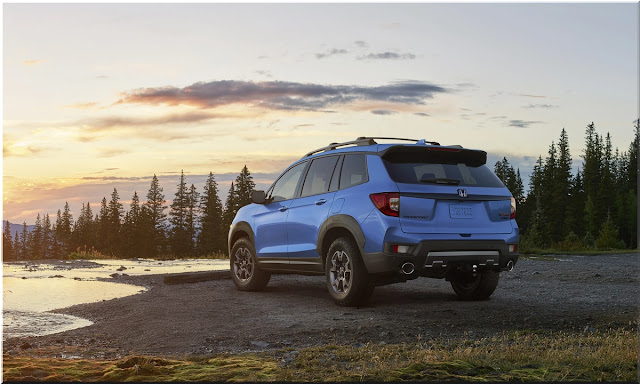
The side profile employs rising shoulder lines and a contrasting black roof layout that visually tricks the eye into seeing a lower profile, all while preserving actual passenger head space inside the cabin. Machined 19-inch alloy wheels fill the wheel openings completely, maximizing the rubber contact patch for cornering stability. At the rear, the body edges are shaped to force passing air to separate cleanly from the structure, lowering the overall coefficient of drag and reducing the wind noise that typically plagues tall vehicle designs at highway speeds.
Infotainment Software, Google Operations, And Electronic Protection
The driver interface relies completely on the OpenR Link system, an electronic arrangement that avoids the lagging menus that common built-in automotive software often exhibits. The software operates on a native Android Automotive OS background, which integrates Google Maps and Google Assistant directly into the vehicle's computer processors. This choice removes the regular requirement to connect a smartphone via data cable just to view navigation paths or stream audio files.
Drivers can download software packages like Waze, Spotify, Vivaldi, and various video streaming platforms directly onto the internal hardware storage of the Renault Boreal. An integrated Over-The-Air update system automatically downloads software revisions and map alterations in the background. Acoustic duties are handled by an optional 435-watt Harman Kardon audio package that uses a network of dedicated speakers. The cabin environment also includes the Multi-Sense control system, allowing the operator to adjust steering resistance, accelerator sensitivity, and an ambient lighting layout featuring 48 selectable colors.
The safety infrastructure coordinates data across several hardware sensors:
- Forward Radar and Optical Sensors: Continuously scan the path ahead to feed real-time environmental data to the Automatic Emergency Braking System and the Automatic High Low Beam module.
- Side Proximity Sensors: Track passing obstacles and adjacent traffic to monitor structural boundaries.
- Rear Cameras and Sonar Arrays: Detect blind spots and cross-traffic conditions to support Emergency Stop Assist and 360-degree visualization systems.
- Central Electronic Control Unit: Processes incoming sensor signals simultaneously to trigger fast-acting mechanical actuators during defensive driving interventions.
To minimize physical impacts, the safety network includes 25 distinct Advanced Driver Assistance Systems. The core electronic safety equipment operates through the following specialized modules:
- Automatic Emergency Braking System: Uses forward-facing radar to calculate closing speeds with obstacles, applying maximum brake pressure if the driver is preoccupied.
- Emergency Stop Assist: Tracks steering wheel activity and driver inputs, initiating a controlled decelerating sequence to a full stop if the operator stops responding.
- Multiview 360-Degree Camera System: Combines video feeds from four separate cameras to produce an accurate top-down view for low-speed parking space maneuvers.
- Safe Exit Assist: Scans blind spots via rear radar units, keeping passenger doors locked or sounding alarms if an occupant tries to step directly into the path of a passing vehicle.
Global Production Infrastructure And Industrial Optimization
The global manufacturing strategy behind the Renault Boreal uses a dual-plant setup designed to insulate the company from shifting trade rules and sudden shipping cost increases. The Curitiba assembly plant handles production for 17 nations within the Latin American region, altering chassis settings to cope with less-than-perfect road infrastructure. Meanwhile, the Oyak Renault factory in Bursa handles assembly duties for 54 separate global export markets. This factory is positioned adjacent to the Oyak Horse engine facility, a choice that eliminates long-distance engine shipping expenses.
The operational parameters of the two global manufacturing hubs are structured as follows:
- Curitiba Production Facility Logistics: Serves the South American market from Paraná, Brazil, covering a target export scope of 17 Latin American countries by utilizing regional stamping and assembly lines optimized for Mercosur regulatory requirements.
- Bursa Production Facility Logistics: Manages international distribution from Bursa, Türkiye, under the Oyak Renault framework to supply 54 global export markets across Europe, Africa, and the Middle East by utilizing local HR18 engine assemblies from Oyak Horse and maintaining a local contribution ratio higher than 40%.
The Turkish assembly operation uses a local supply network that accounts for over 40% of the vehicle components. This integration qualifies the Renault Boreal for regional production incentives and specific Special Consumption Tax adjustments, lowering the financial hurdle for commercial buyers and families. By maintaining assembly facilities in two distinct global regions, the manufacturer retains the ability to adjust production volumes based on local currency adjustments or regional consumer trends.
Market Positioning, Strategy Goals, And Financial Lifecycle
The Renault Boreal serves as a central element within the Renault International Game Plan 2024-2027, an operational initiative supported by a 3 billion Euro financial investment. The program intends to introduce eight new products into markets outside of traditional European boundaries, shifting the commercial focus from low-margin entry vehicles to higher-margin models. By placing the vehicle directly into the competitive C-SUV category, the brand competes in regions where buyers demand modern interior electronics without the steep prices associated with premium imported luxury marques.

In the Turkish marketplace, which represents the second-largest sales market worldwide for this brand, the crossover joins existing models like the Clio and Megane Sedan. The regional distribution company, MAIS AS, has established a commercial target for the vehicle to lead its market segment in local sales volume by 2027. To aid this effort, the Renault Boreal is sold with a factory warranty lasting 7 years or 160,000 kilometers, an inclusion intended to secure long-term value and support vehicle trade-in prices when ownership cycles conclude.
Pro-Tip for Fleet Procurement Directors: When calculating long-term operating costs for a commercial motor pool, the Renault Boreal E-Tech full hybrid provides a distinct advantage over standard turbo models. The clutchless transmission removes typical wear items like dual-mass flywheels and friction plates. This reduction in complex moving parts lowers unscheduled garage visits while cutting fuel use by up to 40% during extended stop-and-go driving profiles.
How does the E-Tech hybrid powertrain lower total cost of ownership compared to conventional automatic gearboxes?
The Renault Boreal E-Tech hybrid layout uses a specialized clutchless design that skips high-friction wear items like dry clutches or complex hydraulic torque converters. By replacing these conventional wear items with two electric motors that match mechanical speeds electronically before a gear changes, the transmission components experience very little physical wear during operation. Additionally, the energy recovery system manages up to 80% of normal urban deceleration, returning that kinetic energy to the 1.2 kWh battery pack rather than wasting it as friction heat through the brake pads. This configuration extends brake component life by up to 200% while lowering fuel consumption to an average of 4.8 liters per 100 kilometers under standard WLTP evaluation procedures.




Comments
Post a Comment